

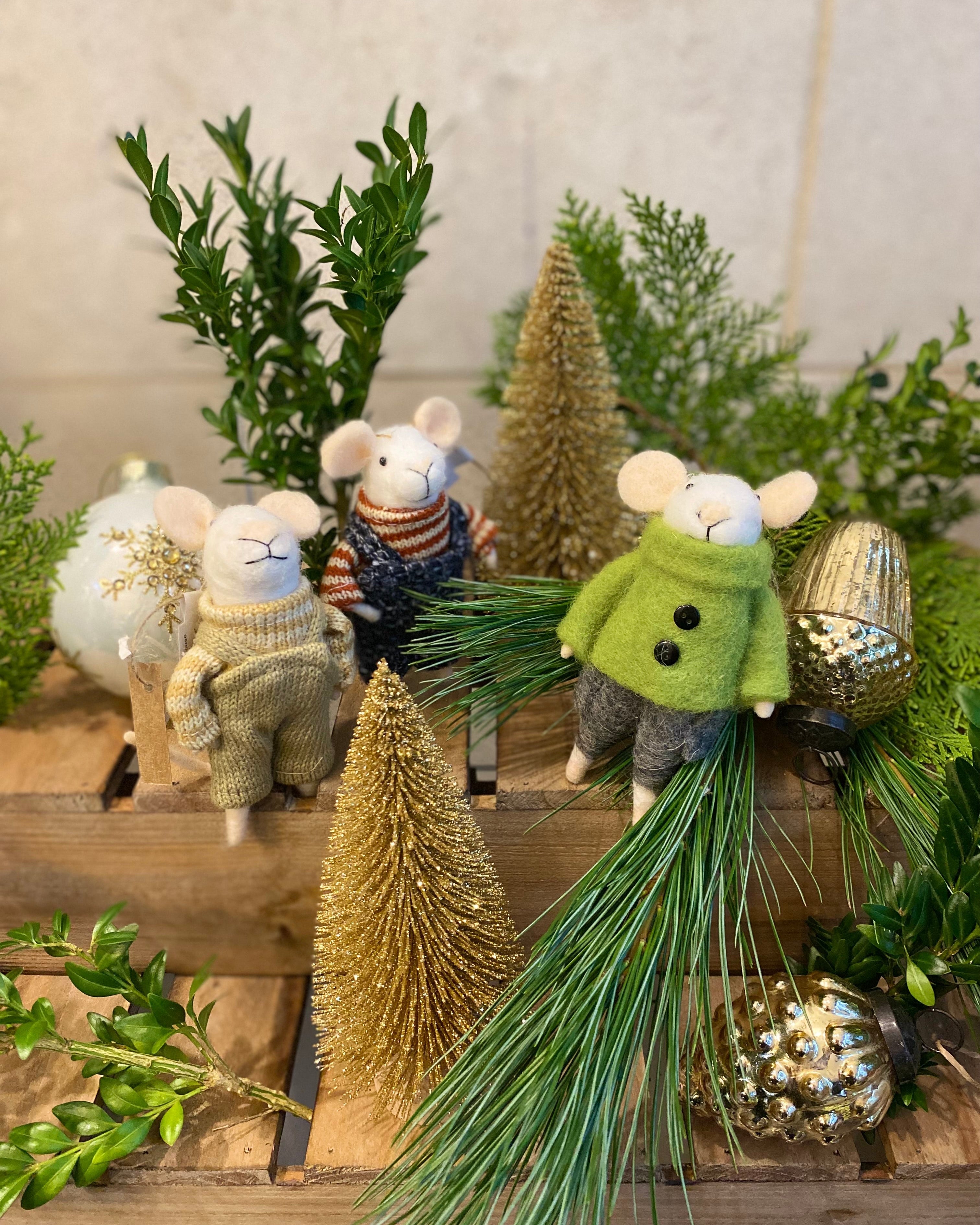
Holiday Ornament Curiosities
The Story Behind the Decorations
Holiday ornaments may look like simple decorations, but their story is surprisingly rich. Those glass baubles, birds, stars, and fruits that we hang each year are part of a tradition that has travelled across centuries, countries, and cultures.
In this article, we explore where Christmas ornaments come from, how they became popular, and what some of the most beloved shapes are thought to represent.
From Lauscha, Germany, to the Rest of the World
The story of glass Christmas ornaments begins in Lauscha, a small town in the Thuringian Forest in Germany. Glassmaking workshops were active there from the late 16th century, but it was in the mid-19th century that artisans started producing the first glass ornaments specifically for Christmas trees.
In 1847, glassblower Hans Greiner in Lauscha began shaping hollow glass ornaments in the form of fruits and nuts, using molds and then silvering them from the inside with a silver nitrate solution. These early pieces were designed to imitate traditional edible decorations like real apples and nuts, which symbolized abundance during winter.
By the late 1800s, Lauscha had become a major center for glass ornaments. Exported across Europe and to North America, these delicate decorations eventually reached American dime stores when F. W. Woolworth began importing Lauscha ornaments in the 1880s. He made a small fortune selling them in his five-and-dime shops, helping glass ornaments become a familiar feature on Christmas trees in the United States.
From a single valley in Germany, glass Christmas ornaments became a global tradition.
Ornaments on the Victorian Christmas Tree
As Christmas trees became fashionable in the 19th century, especially in Victorian England and later North America, ornaments evolved alongside them. Early trees were often decorated with candles, paper chains, cookies, fruits, nuts, and handmade trinkets.
With the arrival of glass ornaments from Germany, Victorian families began to adorn their trees with:
- glass baubles in rich colors
- tiny birds with spun-glass or feather tails
- glass pinecones, fruits, and stars
- small figurines such as angels, Santas, and children
These decorations were not only beautiful but also carried layers of symbolic meaning, often tied to older Christian and European folk traditions.

Shapes & Symbols: The Meanings Behind Popular Ornaments
While not every ornament on a modern tree has a fixed or universal meaning, many popular shapes are associated with themes that appear again and again in historical sources, folklore, and contemporary interpretations.
🐦 Birds
Bird ornaments are among the most traditional motifs. Birds in Christmas décor are often associated with freedom, joy, and hope, reflecting the idea of good news and uplifting spirits during the darkest time of year.
In some German traditions, even a bird’s nest hidden in the tree is considered a sign of good luck, symbolizing home, care, and prosperity for the family.
⭐ Stars
Stars on the Christmas tree usually echo the Star of Bethlehem, representing guidance, light, and spiritual direction. While not every source frames it in exactly the same words, stars are widely understood as symbols of hope and navigation through darkness in Christian and European Christmas traditions.
🌰 Pinecones & Natural Forms
Pinecones are some of the most ancient natural symbols used in winter décor. Across different cultures, they have been associated with life, regeneration, and continuity, linked to evergreen trees that remain green throughout winter.
When used as ornaments, pinecones can evoke resilience, renewal, and the quiet persistence of nature even in the coldest season.
🍎 Fruits & Nuts
Fruits and nuts were among the very first Christmas tree decorations, long before glass ornaments. Early German families hung real apples, nuts, and later cookies on trees to represent abundance and blessing for the coming year.
When Hans Greiner started blowing glass ornaments shaped like fruit and nuts in Lauscha, he was essentially transforming these edible symbols of prosperity into lasting, sparkling keepsakes.

Holiday Ornaments Today: Tradition, Memory & Creativity
Today, holiday ornaments come in every possible style: classic glass baubles, hand-painted figurines, natural wood or straw decorations, ceramics, textiles, and even highly modern or humorous designs. But beneath all the variety, the core idea remains the same:
- celebrating light in the darkest season
- expressing wishes for joy, protection, and abundance
- preserving family memories and personal stories
Each year, unpacking ornaments is a small ritual of remembrance. Some pieces carry family history, others recall travels, milestones, or meaningful gifts. Hanging them is not just decorating; it’s a way of participating in a tradition that connects 16th-century glassblowers, Victorian families, and modern homes and condos around the world.
Explore a Selection of Holiday Ornaments
Looking to bring a touch of tradition and sparkle into your home or condo?
Discover a curated selection of seasonal ornaments and festive décor available in our shop — from classic glass pieces to modern holiday accents designed to brighten every room.

Leave a comment
This site is protected by hCaptcha and the hCaptcha Privacy Policy and Terms of Service apply.